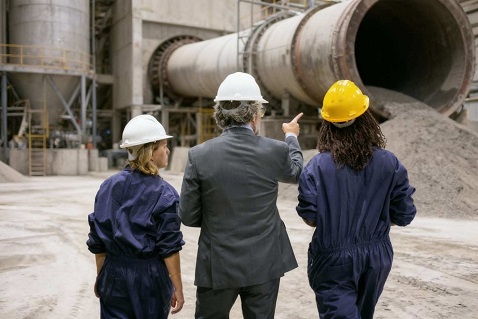
Retiring kiln experts, inconsistent process control, high energy costs, and limited digital traceability across operations.
Potential ₹12–14 crore annual savings for a mid-sized plant through better energy efficiency, reduced downtime, and optimized material usage.
Operational precision depended heavily on veteran operators' personal experience, making process control inconsistent.
Standardized kiln operation and knowledge retention across generations with predictive alerts for process deviations.
Cement manufacturing is as much an art as it is an engineering science. Operators at the kiln line rely on years of observation — the colour of the flame, the hum of the fan, the rate of feed — to fine-tune production. But as India's senior kiln engineers retire and newer technicians take over, a silent crisis brews: the loss of operational wisdom. Most plants have advanced control systems and SCADA dashboards, yet they lack knowledge continuity — the human interpretation of what those readings mean in practice. This is the invisible bottleneck that keeps efficiency capped and variability high. If Dovient were to enter this landscape, the transformation would begin by turning every moment of experience into structured intelligence.
The average Indian cement plant operates kilns at 1,400–1,450°C, consuming massive quantities of fuel. Slight deviations in temperature, airflow, or raw mix composition can impact both quality and cost. While automation systems track process parameters, decision-making often rests on individual expertise. Operators adjust fans, burners, or feed rates based on instinct. Over time, those instincts evolve — but rarely get documented. This unrecorded wisdom represents a hidden risk: when a senior operator leaves, part of the plant's performance leaves with them.
Ready to reimagine your kiln operations for the next generation?