Remote operations with limited skilled workforce, high equipment downtime, unpredictable maintenance costs, and long spare-part lead times.
Potential ₹25–30 crore annual savings for a mid-sized mining company through reduced downtime, optimized spares, and extended asset life.
Equipment failures handled reactively, with repair crews scrambling to diagnose problems after damage occurred.
Continuous monitoring of high-value assets using predictive algorithms with autonomous maintenance scheduling.
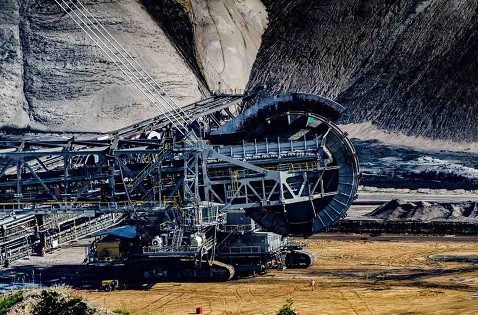
In mining, time is literally money. Every hour that a dumper, excavator, or drill rig stands idle halts tonnes of material movement — and every delay ripples through logistics, production, and revenue. Most mining companies operate in remote, connectivity-challenged areas where mechanical expertise is scarce. Equipment is massive, maintenance windows are short, and any unplanned stoppage demands immediate response. Yet most breakdowns are still handled reactively — a machine fails, a call goes out, and repair crews scramble to diagnose the problem after the damage is done. This approach doesn't just waste hours — it costs crores. If Dovient's Predictive Maintenance Agent were deployed in such an environment, it would fundamentally redefine how mines operate — turning maintenance into prediction and response into prevention.
A typical open-pit mine in India operates 24×7 with fleets of heavy-duty haul trucks, crushers, conveyors, and auxiliary equipment. These machines generate terabytes of operational data daily — engine temperatures, hydraulic pressures, vibration readings, load distribution, and fuel metrics. However, most of this data goes unused. The OEM systems capture it, but it remains siloed — locked in vendor-specific software, unavailable for holistic decision-making. Maintenance managers rely on scheduled servicing or visual inspections, often missing early warning signs. When a critical bearing overheats or a gearbox seizes, the site incurs ₹15–20 lakh in direct downtime costs per incident — excluding lost material throughput. What the mining industry lacks isn't tools — it's integration and intelligence.
Are your mine sites still reacting to failures instead of predicting them?