Unplanned breakdowns, undocumented repair histories, and dependence on senior technicians for diagnosis.
Annualized savings of ₹17.5 crore, through reduced unplanned downtime, optimized spares usage, and improved throughput.
Equipment ran until failure, causing production losses and emergency repairs.
Predictive insights warned maintenance teams 10–15 hours in advance; breakdowns reduced 37%; repair time shortened 45%.
For one of India's largest steel producers, the sound of silence on the shopfloor was never peaceful — it meant something had broken down. A halted conveyor, an overheated motor, or a seized bearing could stop an entire line. Each minute lost meant molten metal solidifying mid-process, hundreds of tonnes delayed, and lakhs of rupees evaporating in opportunity cost. The plant's maintenance culture was traditionally reactive — run until it fails, fix when it stops. Experienced technicians diagnosed issues by ear: 'That vibration's not normal,' or 'That spindle's off balance.' It worked — until it didn't. When several senior technicians retired in the same year, the downtime graph spiked like a heartbeat under stress. Machines had no memory, no documentation, and no predictive mechanism. That's when the company partnered with Dovient to give its machines a sixth sense — and its technicians, digital foresight.
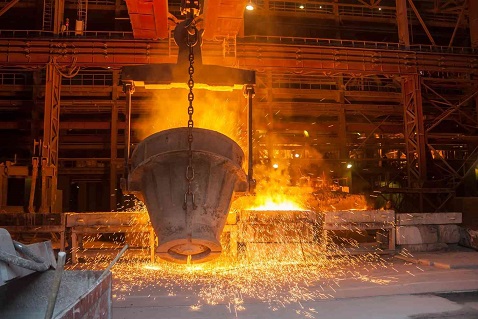
The foundry operated 24×7, producing high-grade steel billets and sheets. Its equipment base included induction furnaces, rolling mills, conveyors, and hydraulic systems. Each carried its own maintenance schedule, mostly tracked through Excel sheets and paper logs. Preventive maintenance existed — in theory. In practice, it was often skipped under production pressure. When breakdowns occurred, root cause analysis (RCA) was inconsistent, and spare parts availability was unpredictable. A single hour of downtime in the billet caster could cost upwards of ₹4–5 lakh in lost output. Over a financial year, these breakdowns quietly drained tens of crores in productivity.
Still waiting for your machines to fail before you act?